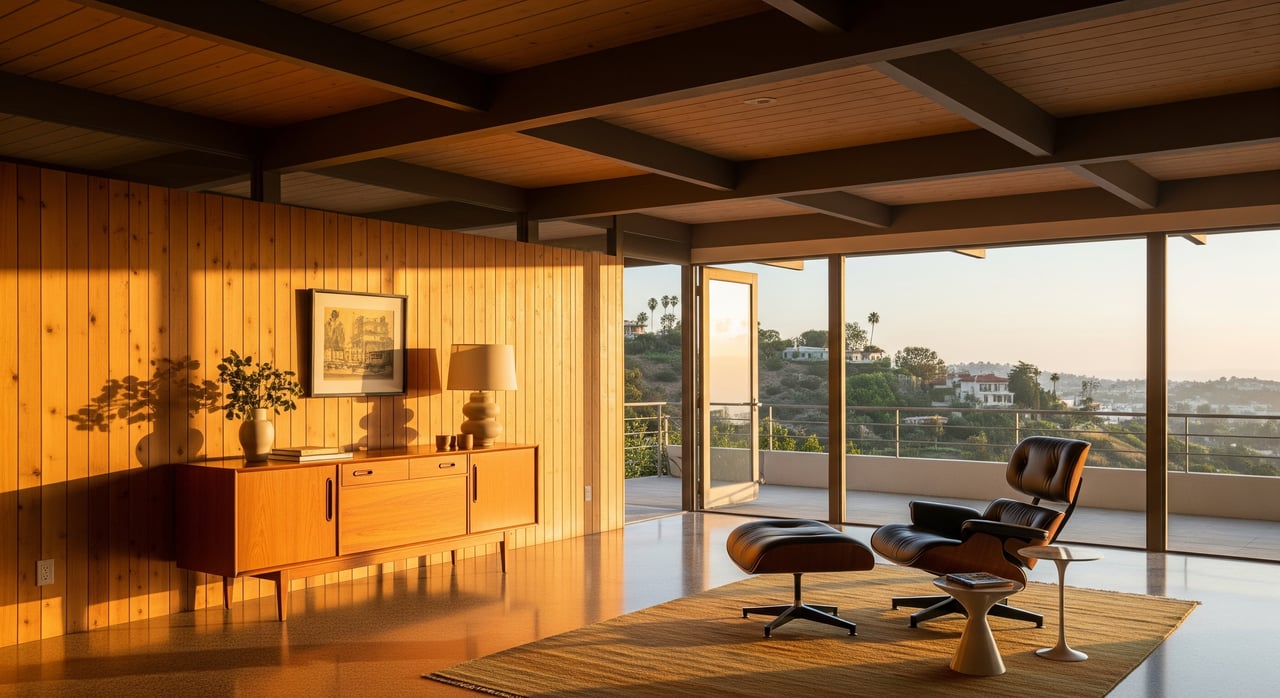
Do buyers love your home’s mid‑century character but hesitate over dark rooms or dated lighting? If you are selling in Mission Hills, you can present that authenticity in a way today’s San Diego buyers expect: bright, easy, and move‑in ready. With a few focused changes to sightlines, wood tones, lighting, and landscaping, you can showcase the best of your home without heavy renovation. This guide gives you a clear game plan for staging that respects your architecture and performs in photos and showings. Let’s dive in.
What Mission Hills buyers want
Mission Hills buyers look for a blend of architectural authenticity and practical comfort. They value indoor‑outdoor living, natural light, preserved original details, and a simple, efficient flow for entertaining. Low‑maintenance, climate‑smart landscaping is another plus in San Diego’s Mediterranean climate. Your staging should bring these points forward in a clean, modern way.
Start with sightlines
Strong sightlines are a mid‑century hallmark. You want a clear visual path from the entry to the living area and out to the patio or courtyard. Staging should reinforce that open flow so buyers immediately feel the architecture working for them.
Tactics to clarify flow
- Remove bulky pieces that interrupt paths between focal points, like entry to living to patio.
- Create conversational seating that faces windows and views, not only the television.
- Choose low‑profile, open‑leg furniture so you see through the room.
- Align rugs to echo the home’s geometry and guide the eye down hallways or across open plans.
Quick readiness checks
- Walk from entry to patio. Nothing should block your view or movement.
- Confirm your photographer can capture at least one angle that shows the primary sightline end to end.
Warm wood that reads bright
Warm wood is a core mid‑century asset. When you care for it and balance it with lighter elements, rooms feel both authentic and fresh.
Preserve and refresh
- Clean and lightly refinish or oil built‑ins, beams, and paneling to restore sheen without erasing patina.
- If wood reads too dark, consider selective lightening with a preservation mindset. Keep the grain visible.
Balance the palette
- Pair wood with neutral textiles like linen sofas and light rugs so spaces photograph bright.
- Use reflective accents such as glass or brass to introduce contrast.
- Keep wood focal points minimal. One sculptural object, a period artwork, or a small stack of design books is enough.
Period lighting that performs
Original or period‑appropriate lighting strengthens your home’s story. It should also deliver consistent, warm illumination for showings and photography.
Lighting moves that matter
- Retain and restore original fixtures where possible, including safe re‑wiring to current code.
- If you replace, choose authentic reproductions or clean‑lined contemporary pieces with warm bulbs around 2700–3000K.
- Layer the light: ambient overhead, task lighting for reading or kitchen prep, and accent lighting like picture lights or uplights.
- Match bulb color temperature across rooms and use dimmers to control glare and shadows.
Exterior lighting for curb appeal
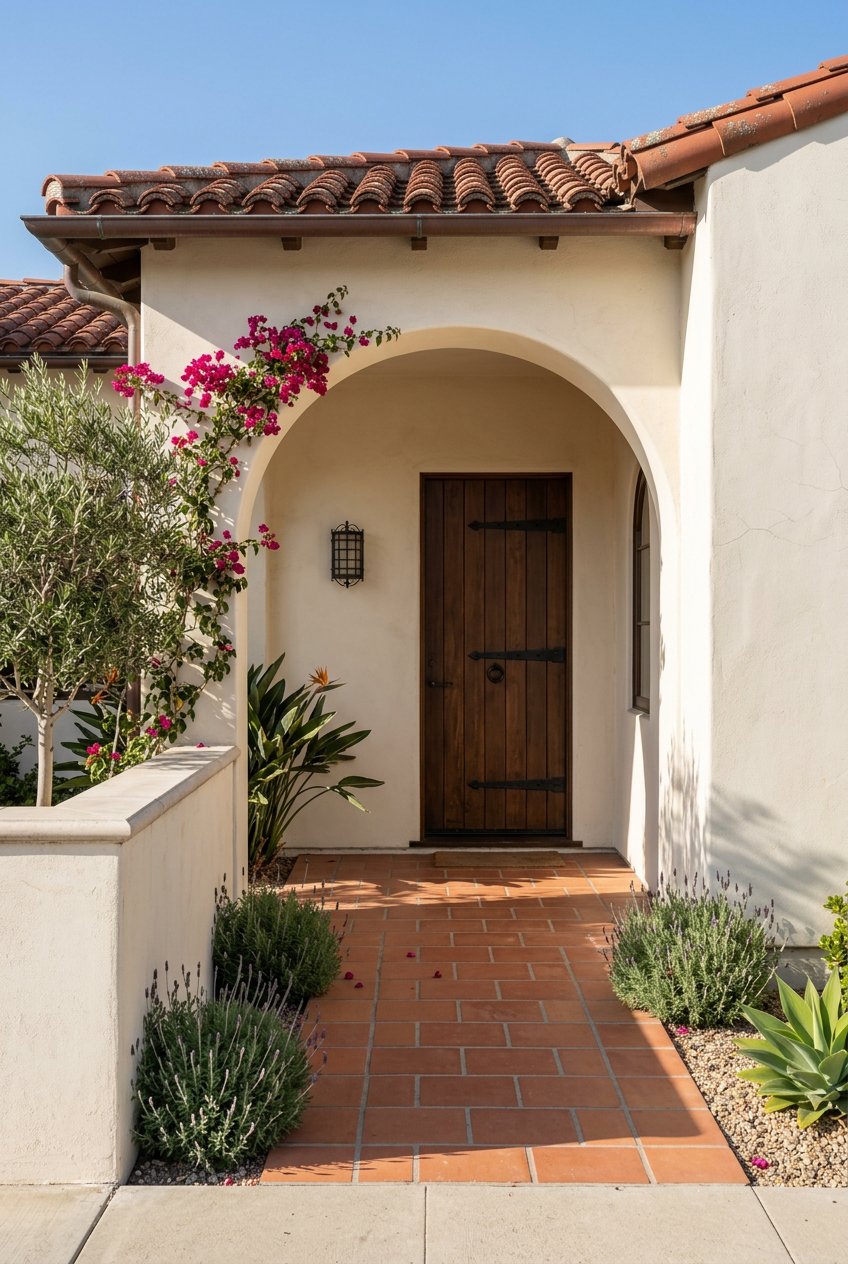
- Add warm, directional lighting at the porch and along paths.
- Plan for dusk photos to showcase the entry glow and outdoor living areas.
Landscape edits that photograph well
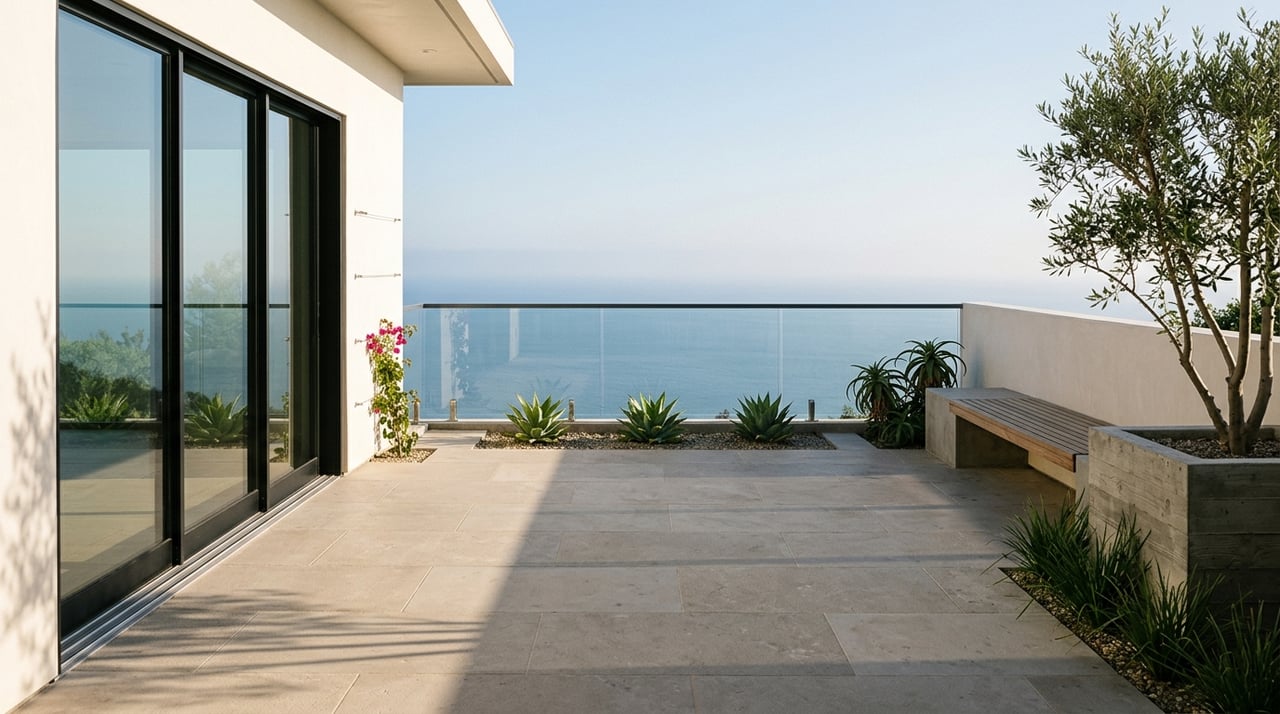
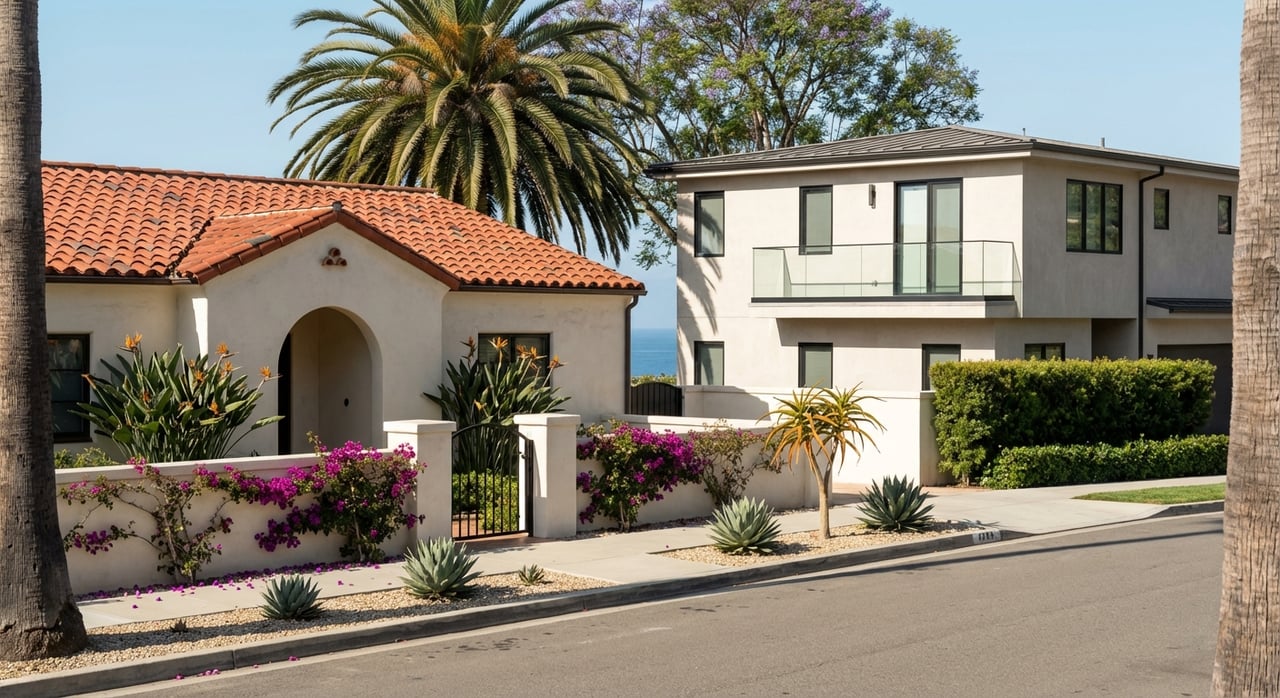
Mission Hills benefits from a Mediterranean climate, so lean into drought‑tolerant, low‑maintenance plantings that look crisp year‑round. The goal is to extend indoor sightlines into the yard while keeping care simple.
High‑impact, low‑effort upgrades
- Prune overgrown shrubs, lift low branches, and thin hedges to reveal the entry and view corridors.
- Power‑wash patios and repair cracked pavers for clean lines in photos.
- Favor plants with strong form and seasonal color, such as succulents, agave, ornamental grasses, rosemary, and manzanita where appropriate.
- Use uniform mulch or neat gravel to reduce visual noise and maintenance.
- Stage outdoor furniture sparingly with period‑appropriate pieces to suggest a clear living or dining zone.
- Add simple string lights or retro‑style sconces for evening photos. Ensure path lights mark steps for safety.
Irrigation and local norms
- Confirm irrigation is functioning or adjust drip systems to keep plants healthy without overwatering.
- Follow local watering guidelines and keep changes reversible where historic guidelines may apply.
Prepare for professional photos
Great photos sell the story of your home’s design. Your photographer should capture open sightlines, indoor‑outdoor flow, and the texture of warm wood accurately.
A simple photographer brief
- Timing: schedule interiors for soft natural light and plan golden‑hour exteriors.
- Angles: use wide but undistorted views that show a primary axis and at least one indoor‑outdoor connection.
- Exposure: set white balance to match warm interior lighting and use dynamic range carefully to preserve wood grain.
- Styling: open and clean window treatments, keep surfaces minimal, and use neutral layers on beds and sofas.
- Details: include close‑ups of restored fixtures, built‑ins, tile, railings, or any signature period elements.
Virtual staging caution
If a room has strong original details, physical staging usually reads more credibly. If you do use virtual staging, keep furniture scale and proportions true to mid‑century lines so buyers are not misled.
A three‑week staging plan
You can move fast if you organize your workflow. Here is a streamlined plan that respects historic features and gets you photo‑ready.
Week 1: Assess and prioritize
- Tackle safety and mechanical fixes first, then curb appeal.
- Confirm any historic district or conservation rules before changing exterior colors, fencing, or major landscape elements.
Week 2: Refresh and restore
- Deep clean and declutter throughout.
- Refresh wood built‑ins and exposed beams as needed.
- Restore or replace lighting to achieve consistent warmth and brightness.
- Prune, power‑wash, and add container plantings to key outdoor areas.
Week 3: Style and shoot
- Install rental furniture and accessories, then refine placement to protect sightlines.
- Schedule professional photography. Allow 1–2 days for staging setup before the shoot.
Budget, ROI, and compliance
Staging costs vary, but line items often include a stager’s fee, rental furniture, lighting restoration or replacement, landscape clean‑up, and minor refinishing. In premium neighborhoods, sellers often invest more to achieve standout photos and faster showings. To estimate return, compare neighborhood comps and days‑on‑market for staged versus unstaged properties using current local data sources.
For safety and legal compliance, have any electrical rewiring performed by a licensed electrician and keep documentation for buyers. Before permanent exterior changes, verify permit needs and any historic overlay rules with the City of San Diego’s Planning and Historic Resources programs and local organizations such as the Mission Hills Historical Society. If tree work or grading is planned, check requirements before you begin.
Rooms to prioritize
Not every space needs a full redesign. Focus on the areas that carry most of the buyer’s emotional decision.
- Entry and living room: establish sightlines and warmth immediately.
- Kitchen: keep surfaces clear and lighting even to show function and flow.
- Primary bedroom: simple layers and balanced light for calm and comfort.
- Patio or courtyard: a clear, usable outdoor living scene to reinforce indoor‑outdoor living.
Common pitfalls to avoid
- Over‑furnishing open plans so flow feels tight or cluttered.
- Heavy drapes that block light or views. Choose sheer or minimal treatments.
- Painting original woodwork without exploring preservation‑minded options.
- Mismatched bulb temperatures that create a patchwork of color in photos.
- Skipping local checks for exterior changes that may require permits or approvals.
Bring it all together
Staging a Mission Hills mid‑century home is about clarity and character. You want buyers to see long, open sightlines, feel the connection to the outdoors, and appreciate the warmth of original wood and period lighting. With light, reversible updates and careful presentation, you can honor the architecture while delivering the move‑in ease buyers prefer.
If you want a disciplined, marketing‑first plan for your sale, our team can coordinate the right specialists, craft a tailored staging and photography brief, and present your home with a story that resonates. To discuss the right approach for your property, connect with Markus Feldmann.
FAQs
What should Mission Hills sellers prioritize when staging a mid‑century home?
- Focus on sightlines, warm wood care, consistent period‑appropriate lighting, and low‑maintenance landscape edits that show indoor‑outdoor living.
How do I keep original wood while brightening dark rooms?
- Lightly refinish or oil wood to restore sheen, add neutral textiles and reflective accents, and consider selective lightening that preserves visible grain.
What lighting color temperature works best with mid‑century wood?
- Use warm bulbs around 2700–3000K, match color temperature across rooms, and add dimmers to control shadows for photos and showings.
Do I need approvals for exterior updates in Mission Hills?
- Many older homes fall under historic or conservation guidelines. Check with the City of San Diego’s Planning/Historic Resources programs and local organizations before making permanent exterior changes.
Which outdoor changes have the fastest impact before listing?
- Prune to open view corridors, power‑wash hardscapes, add uniform mulch or gravel, and place a few drought‑tolerant plants and minimal outdoor furniture to define usable areas.
Should I use virtual staging for a mid‑century property?
- Physical staging is often better for homes with strong original details. If you choose virtual staging, keep furniture scale and style true to mid‑century proportions.