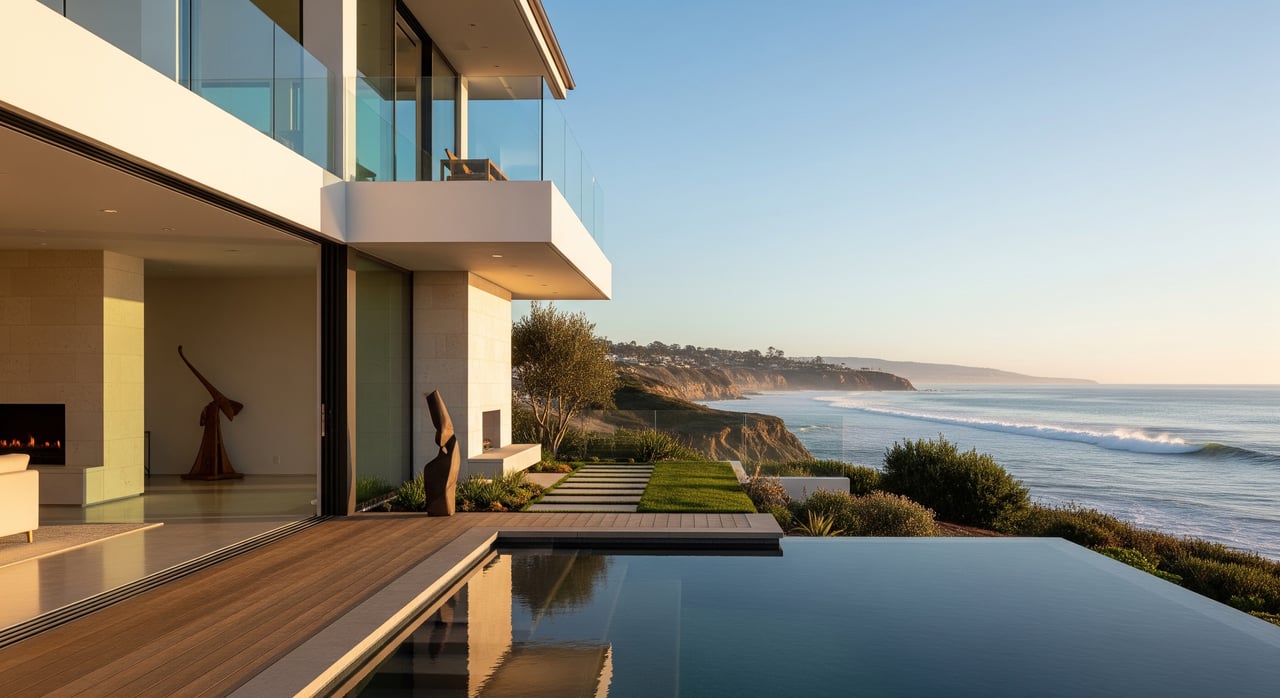
Thinking about selling a luxury home in La Jolla? You know this market is different. High-end coastal buyers look for more than square footage and finishes. They are buying the view, the privacy, and a lifestyle. In this playbook, you will learn how to price with confidence, present your property at a luxury standard, and market to the right buyers while managing coastal regulations and risk. Let’s dive in.
Define luxury in La Jolla
What qualifies as luxury here
In La Jolla, “luxury” is best defined by the top tier of local prices and by property attributes. Oceanfront and bluff homes, architecturally significant estates, and homes with direct beach access typically sit in this segment. You can also define luxury as the top 5 to 10 percent of the local market by price.
Micro-markets matter
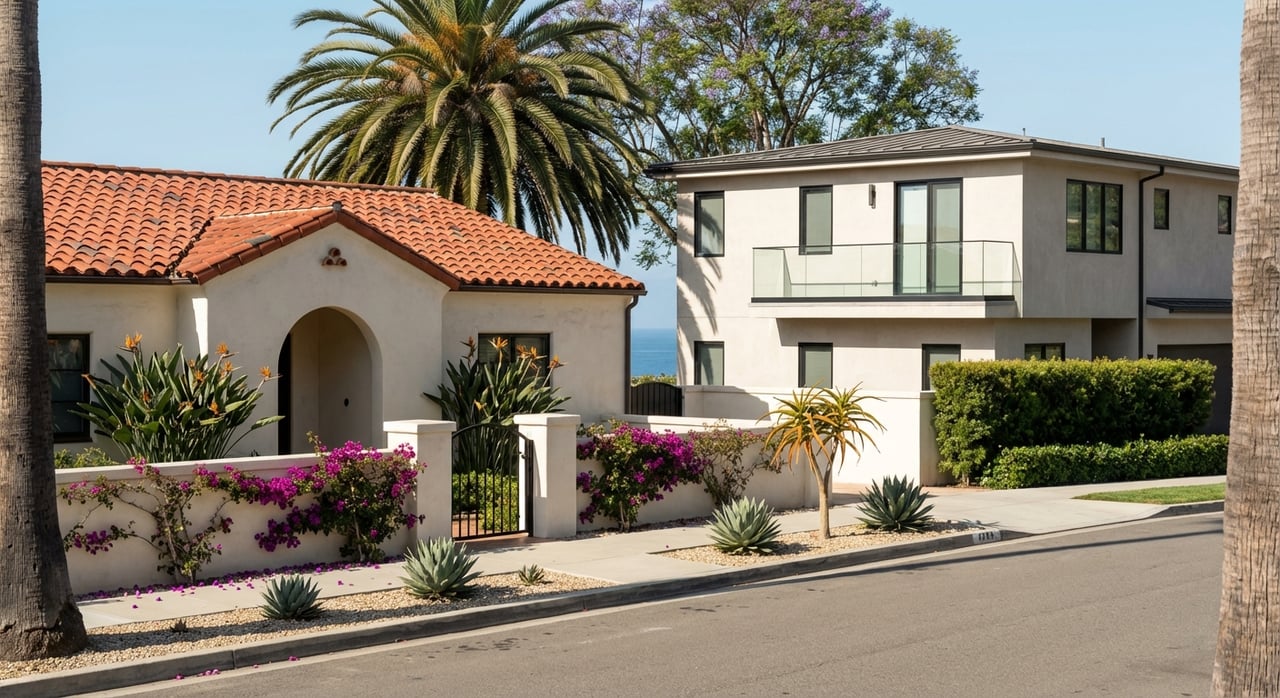
La Jolla is a collection of distinct sub-markets that carry different premiums. La Jolla Shores, La Jolla Cove, Muirlands, Bird Rock, and La Jolla Village each attract different buyer profiles and price-per-square-foot levels. East versus West La Jolla can also affect value due to view corridors and proximity to the coast.
Pull current indicators
Before you list, review live market data for your micro-market. Focus on active inventory and months of supply, median list and sale prices, average days on market, list-to-sale price ratios, and recent closed comps within 90 to 180 days. Ask your agent for a date-stamped summary drawn from SDMLS and local brokerage reports.
Price strategy that fits your property
Build a luxury-grade CMA
Use recent closed sales in your sub-market when possible. If comps are limited, expand the radius and time window, then adjust for ocean view angle and elevation, bluff versus inland location, lot size, outdoor living, pool, garage and parking, ADU potential, smart-home systems, finishes, and recent renovations. Price per square foot can help, but in luxury, the site, the view, and lifestyle value often drive the final number.
Know your value drivers
- Ocean frontage and unobstructed views usually produce the largest premium.
- Direct beach access or deeded beach rights increases price and marketability.
- Privacy, security, and exclusive streets add value.
- Architectural pedigree, custom craftsmanship, and recent high-end updates create scarcity.
- Outdoor living spaces that showcase the coastal lifestyle help justify top-tier pricing.
Choose your pricing posture
- Aggressive: Price at or just below recent comps to create early momentum. This can work when inventory is tight and presentation is flawless.
- Market-value with premium marketing: The most common luxury approach. Your marketing must substantiate the ask.
- Test-the-market high ask: Consider only for exceptional properties with targeted outreach. Expect a longer timeline and be prepared to adjust.
Prepare and present for impact
Pre-list inspections and repairs
Order pre-list inspections for the home, roof, and major systems. Surface issues early to reduce renegotiation risk. Address repairs that could derail escrow and defer cosmetic upgrades to your staging plan.
Elevate the coastal lifestyle
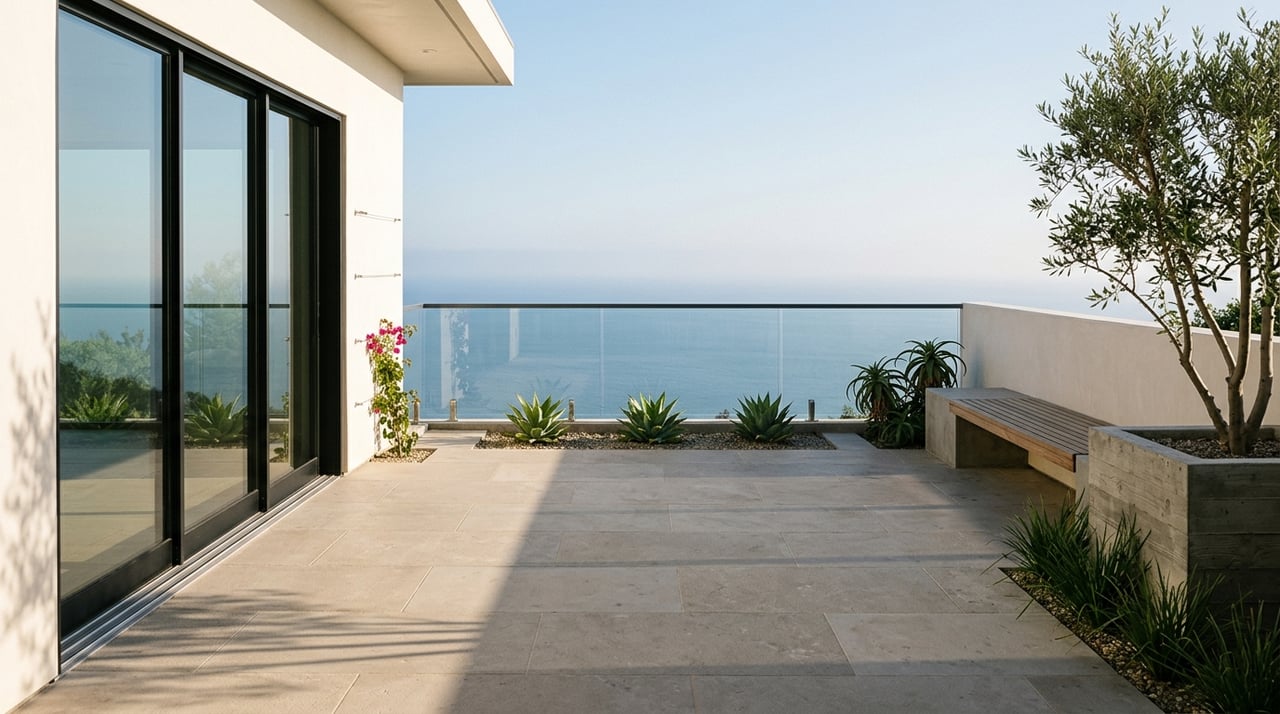
Top-tier listings are staged to feel turnkey. Focus on a neutral, high-end aesthetic that frames the view and indoor-outdoor flow. Update landscaping, refresh paint, and style terraces and lounges to highlight how the home lives during golden hour.
Media that sells
- Professional photography with twilight sets to capture lighting and views.
- Drone aerials that show ocean orientation and neighborhood context where permitted.
- A 60 to 120 second cinematic video and a longer walkthrough for detail.
- Floor plans and a 3D tour to support out-of-area and international buyers.
- A dedicated property website with a downloadable brochure and a narrative that tells the property’s story.
Privacy and secure showings
Luxury sales often require controlled access. Set clear showing protocols and buyer vetting. Coordinate private tours and keep a showing log. Match privacy to the seller’s preferences without limiting exposure to qualified buyers.
Marketing channels that reach real buyers
Broker-to-broker exposure
Targeted outreach to top local agents moves the needle. Host invitation-only previews before going public. Off-market or pocket strategies can be effective for ultra-private sellers while still reaching qualified buyers.
Digital and print reach
Use geo-targeted digital campaigns, search advertising, and programmatic display tuned to high-net-worth audiences. Complement with luxury print, polished brochures, and curated direct mail that reaches likely buyer lists.
International promotion
Global networks and multilingual materials can expand your reach for trophy properties. International and second-home buyers may influence seasonal activity, so plan messaging and timing accordingly.
Event-based launches and timeline
A common cadence is 10 to 21 days of broker previews and coordinated media release, followed by the public listing launch. Pair this with public open houses or lifestyle events that let buyers experience the home at sunset.
Negotiation and terms that protect you
Cash, financing, and appraisals
Cash offers reduce risk. Financed offers add appraisal considerations, especially where true comps are thin. You can require higher earnest money or shorter contingency periods to strengthen deal certainty.
Inspections and contingencies
Provide pre-list inspection reports to reduce buyer leverage later. You can limit inspection periods or consider offers with waived contingencies from highly qualified buyers. Balance speed with risk tolerance.
Timing, rent-backs, and proceeds
Luxury transactions often require custom timelines. Expect 30 to 60 days for escrow, with flexibility for 1031 exchanges or international documentation. If you need time to move, negotiate a rent-back with clear duration, rate, and insurance terms. Model net proceeds after staging, marketing, escrow costs, repairs, and potential concessions.
Coastal rules and risk management
Required California disclosures
California requires a Transfer Disclosure Statement and a Natural Hazard Disclosure. Include lead-based paint disclosure for homes built before 1978. For form guidance and seller requirements, review resources from the California Association of Realtors and the California Department of Real Estate.
Coastal hazards and permits
Many La Jolla properties sit on or near coastal bluffs. Erosion, sea-level rise, and storm impacts can affect insurability and buyer perception. Seawalls and shoreline protection often need permits, and unpermitted work can be a negotiation issue. Learn about coastal development permits and site limitations from the California Coastal Commission.
Flood maps and insurance
Confirm your property’s flood status and discuss insurance options early. Use the FEMA Flood Map Service Center and review climate resources from NOAA to understand risk. Some carriers limit coastal coverage, so document your insurance history and any transferable policies.
Title, easements, and access
Clarify any public access easements, deeded beach rights, or historic paths. Identify utility and prescriptive easements early. For condos and townhomes, review reserves, insurance coverage, special assessments, and any pending litigation that could affect saleability.
Your seller-ready checklist
- Get a hyper-local CMA for your specific La Jolla sub-neighborhood.
- Order pre-list inspections and gather permits, construction history, and system records.
- Complete critical repairs and plan staging for indoor and outdoor spaces.
- Produce premium media, floor plans, and a dedicated property website.
- Prepare disclosures and HOA documents if applicable.
- Decide on a public, pocket, or hybrid listing strategy and set showing protocols.
- Map your marketing calendar, including broker previews and launch.
- Confirm escrow timelines, title partners, and 1031 advisors if needed.
Expected timeline
- Pre-list preparation: 2 to 8 weeks, sometimes longer for repairs or design refresh.
- Broker previews and media rollout: 1 to 3 weeks before public launch.
- Active market period: several weeks to multiple months, depending on price and uniqueness.
- Escrow and closing: typically 30 to 60 days, with custom terms as needed.
Selling a luxury home in La Jolla takes a clear strategy, disciplined pricing, and marketing that truly earns the number. With the right plan, you can protect your time, your privacy, and your proceeds while showcasing the lifestyle buyers seek.
If you want a confidential, data-backed plan tailored to your address, connect with Markus Feldmann for a private consultation.
FAQs
How is the La Jolla luxury market performing right now?
- Ask your agent for a date-stamped summary from SDMLS and local brokerage reports that covers inventory, days on market, list-to-sale ratios, and recent comparable sales for your sub-market.
What premium do ocean views or beach access add in La Jolla?
- Ocean frontage and unobstructed views usually command the largest premium, and direct beach access increases marketability; exact impact depends on angle, elevation, privacy, and recent comps.
Should I remodel before listing my La Jolla luxury home?
- Most buyers prefer turnkey properties, but pre-list inspections and targeted updates that highlight views and outdoor living often deliver better returns than full remodels.
How long will my La Jolla luxury home take to sell?
- Plan for 2 to 8 weeks of prep, 1 to 3 weeks of previews and media rollout, several weeks to months on market depending on uniqueness, and 30 to 60 days for escrow.
Which disclosures and coastal items should I prepare?
- Prepare the Transfer Disclosure Statement, Natural Hazard Disclosure, and lead-based paint forms when relevant, and gather coastal permits, insurance history, and any seawall or bluff documentation using guidance from the California Coastal Commission and the California Department of Real Estate.
What negotiation terms are common in high-end La Jolla sales?
- Larger earnest money, shorter contingency periods, appraisal gap or escalation clauses in competitive cases, inspection limits with pre-list reports, and tailored rent-backs to match your move timeline are all common levers.