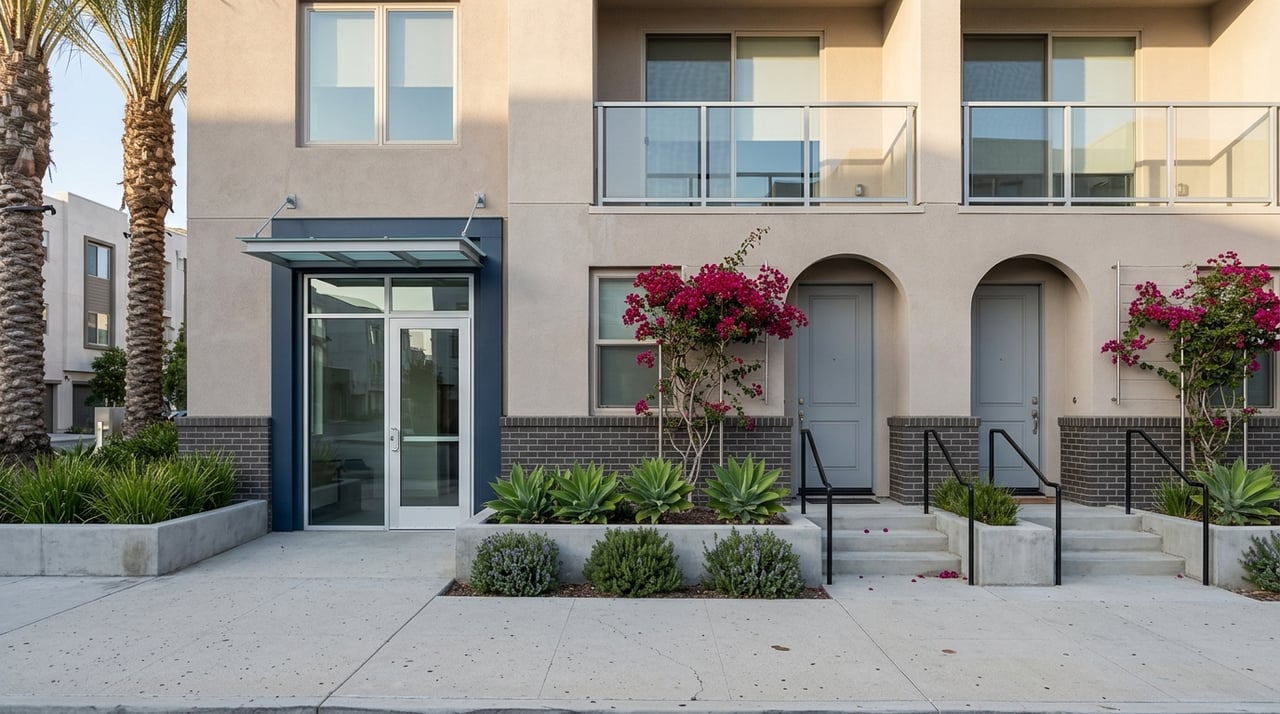
If you are deciding between a condo and a townhome in Hillcrest, the right answer usually has less to do with the listing label and more to do with how you actually live. In a neighborhood where walkability, parking, building age, and HOA quality can change your day-to-day experience, small details matter. The good news is that once you know what to compare, the choice becomes much clearer. Let’s dive in.
Why Hillcrest changes the equation
Hillcrest is not a one-note neighborhood. The City of San Diego describes it as part of Uptown, near Downtown and Balboa Park, with restaurants, shops, medical offices, two major hospitals, and a mix of older homes, newer apartments, and condominiums.
That mix matters when you are comparing attached homes. In Hillcrest, buyers often weigh building age, parking setup, HOA strength, and layout just as much as square footage. A well-run older building and a newer project can offer very different ownership experiences, even if the homes seem similar online.
The neighborhood’s layout also shapes your decision. The city’s planning work highlights stronger connections to local businesses, services, transit, Balboa Park, Downtown, and North Park, with more housing near transit and services. Much of Hillcrest also falls within a high pedestrian-priority area, so a car-light lifestyle can be realistic for many residents.
That said, convenience comes with tradeoffs. Public projects like the Pride Promenade are improving the public realm, but current tours and traffic patterns may be affected by construction-related circulation changes through the process. If you are buying now, it helps to think about both today’s conditions and the long-term direction of the neighborhood.
Condo vs townhome: what the terms really mean
One of the biggest buyer mistakes is assuming a condo and a townhome are two totally separate legal categories. In California, a condominium is a legal form of ownership, while a townhome is usually an architectural style.
The California Department of Real Estate explains that townhomes are typically multi-residence homes with two or more stories that are not stacked on top of each other. But a project that looks like a townhome community can still be legally structured as a condominium or a planned development.
That is why you should not rely on appearances alone. The better move is to read the title documents and HOA materials carefully, because the legal structure affects what you own, what the HOA maintains, and what costs or restrictions may come with the property.
What condo ownership often feels like
A condo often appeals to buyers who want simpler day-to-day upkeep and a lock-and-leave lifestyle. In general, condominium ownership includes your unit plus an undivided interest in the common areas.
In practical terms, that can mean a more shared living environment. You may have common hallways, shared amenities, and HOA-managed exterior maintenance. For many buyers in Hillcrest, that tradeoff works well if walkability and lower personal maintenance are bigger priorities than having a more house-like layout.
Condos can also make sense if you value being close to the neighborhood’s core corridors. Hillcrest’s activity along Fourth, Fifth, and Sixth Avenues can make it easy to reach dining, errands, and services on foot, which can reduce how much you rely on a car.
What townhome living often feels like
A townhome often feels more like a hybrid between a condo and a detached home. Buyers are often drawn to features like multiple levels, a private entry, and garage-style parking.
That said, the feel of a townhome does not always tell you the legal details. Some townhome-style homes include exclusive-use areas such as patios, driveways, or parking spaces rather than full ownership of those areas. That distinction matters because it can affect maintenance duties, rules, and resale questions later.
If privacy and separation matter to you, a townhome-style layout may be a stronger fit. But the best choice still depends on the specific project, not just the floor plan.
Focus on the project, not the label
In Hillcrest, project-level details often matter more than whether the listing says condo or townhome. Because the neighborhood includes older properties, converted buildings, and newer developments, two homes in the same price range can come with very different upkeep exposure and HOA health.
A smart comparison should include:
- Floor plan and livability
- Building age and repair history
- Parking type and reliability
- HOA dues and reserve funding
- Recent or possible special assessments
- Insurance, pet, and rental rules
- Walkability to your daily destinations
This approach gives you a more realistic picture of ownership. It also helps you avoid getting distracted by a label that may not tell the full story.
HOA documents deserve close attention
If you buy in a common-interest development, HOA membership comes with ownership. The California Department of Real Estate advises buyers to review the governing documents, including the articles of incorporation, bylaws, CC&Rs, and rules.
You will also want to understand what your dues actually cover. HOA dues may fund operating costs, reserves, administration, contingency planning, and other fixed expenses. Those dues can rise over time, and some communities may also have special assessments for major repairs.
This is especially important in Hillcrest, where older or converted properties may carry maintenance issues that are not obvious during a showing. Reserve funding, repair history, and recent assessments can tell you much more about a building’s condition than a polished lobby or updated unit interior.
What to review before you commit
A careful review period can protect you from expensive surprises later. The DRE notes that buyers should study disclosures and decide whether the restrictions and obligations fit their long-term plans.
As you compare Hillcrest condos and townhomes, pay close attention to:
- Reserve study and reserve funding levels
- Recent special assessments
- Building repair and maintenance history
- Insurance coverage information
- Litigation involving the HOA
- Rental restrictions
- Pet rules
- Whether parking and storage are deeded, assigned, or exclusive-use common area
If you are looking at a newer project or a recent conversion, the public report is also an important document to review before signing a purchase contract. It can help clarify what you are buying and what obligations come with ownership.
Parking can make or break the fit
In Hillcrest, parking is not a side issue. It can shape your budget, your routine, and even how satisfied you feel in the home after move-in.
The City of San Diego notes that parking meters in the Hillcrest Commercial Zone operate until 8 p.m. Residential permit parking in Area A runs Monday through Friday from 7 a.m. to 7 p.m., with the permit year running from November 1 to October 31 and an annual permit fee of $11.50.
That means parking certainty has real value. An assigned space, private garage, driveway, or dependable street-parking strategy can materially affect daily convenience and monthly cost.
For townhomes, ask whether the garage, driveway, or parking pad is deeded, exclusive-use common area, or simply assigned by the HOA. For condos, ask whether parking is deeded, assigned, or shared, and whether guest parking, storage, or EV charging is available.
Transit and walkability may offset car needs
If you do not drive every day, Hillcrest offers strong lifestyle advantages. MTS says Route 10 runs every 15 minutes most weekdays and connects Old Town, Hillcrest, La Mesa, and the Green Line Trolley. Route 11 also serves Hillcrest seven days a week every 20 to 30 minutes.
That kind of transit access can change what home features matter most to you. If you plan to walk to errands, dining, or services and use transit regularly, you may feel comfortable with less parking or a more compact home layout.
But you should also factor in weekly patterns. The Hillcrest Farmers Market brings street closures and bus detours on Sundays, with current detours listed through late 2026. If you expect easy curb access every weekend, that is worth keeping in mind during your search.
How to choose your best fit
For many buyers, a condo is the better fit when the goal is convenience, lower day-to-day exterior maintenance, and an easy home base in a highly walkable area. It can be especially appealing if you want to spend more time enjoying Hillcrest and less time worrying about upkeep.
A townhome may be a better fit if you want a more private entry, multiple levels, or parking that feels more similar to a traditional home setup. That extra separation can matter if you work from home, want more defined living spaces, or simply prefer a more house-like feel.
The most useful budget test is simple: do not compare purchase price alone. Compare purchase price, HOA dues, reserve health, possible assessments, parking certainty, and the property’s repair profile as one package.
A simple Hillcrest decision guide
If you are narrowing your options, start with the questions below:
Choose a condo if you value:
- Lower day-to-day maintenance
- A lock-and-leave lifestyle
- Shared amenities
- Easy access to dining, errands, and services
- A home base that supports car-light living
Choose a townhome if you value:
- More privacy
- Multiple levels
- A private entry
- A garage-like parking setup
- A more house-like layout
Choose either one only after confirming:
- The legal ownership structure
- HOA financial health
- Maintenance exposure
- Parking rights
- Rules that match your lifestyle
Final thoughts on buying in Hillcrest
In Hillcrest, the smartest buyers look past the listing label and focus on how the property will function over time. The right fit usually comes down to floor plan, parking, HOA quality, maintenance exposure, and how much you want to walk to everyday life.
If you want a clear, project-by-project view of your options, working with a local advisor can make the process much easier. An experienced guide can help you compare the fine print, spot risk early, and choose a home that fits both your lifestyle and your long-term plans. If you are considering a move in Hillcrest, Markus Feldmann can help you evaluate the details with care and clarity.
FAQs
What is the difference between a condo and a townhome in Hillcrest?
- In California, a condo is a legal ownership type, while a townhome is usually an architectural style. In Hillcrest, the legal structure and HOA documents often matter more than the exterior design.
What should you review in an HOA before buying a Hillcrest condo or townhome?
- Review the bylaws, CC&Rs, rules, reserve funding, recent assessments, repair history, insurance information, litigation, and any rental or pet restrictions.
Why is parking such an important factor for Hillcrest buyers?
- Hillcrest’s walkable core is a major benefit, but parking can still affect your daily routine and monthly costs. Buyers should confirm whether parking is deeded, assigned, shared, or exclusive-use common area.
Is Hillcrest a good place for car-light living?
- For many buyers, yes. The neighborhood has strong walkability, transit access, and proximity to dining, services, and daily errands, which can reduce the need to drive often.
Are older Hillcrest buildings riskier to buy than newer ones?
- Not always, but older or converted properties may carry maintenance issues that are less visible during a showing. That is why reserve funding, repair history, and HOA disclosures are so important.
How should you compare the true cost of a Hillcrest condo and townhome?
- Look beyond the purchase price and compare HOA dues, reserve health, possible assessments, parking certainty, and the building’s repair profile as part of the total ownership picture.