If you are thinking about buying a historic home in Mission Hills, you are probably drawn to more than square footage. You may be looking for original character, thoughtful architecture, and a neighborhood with a strong sense of place. The good news is that Mission Hills offers all of that, but historic ownership also comes with extra questions you should ask before you write an offer. Let’s dive in.
Why Mission Hills stands out
Mission Hills is one of San Diego’s most architecturally distinctive neighborhoods. The City of San Diego describes it as a neighborhood of stately, unique homes, many of which date to the early 20th century and have been carefully preserved.
Its layout also helps explain why buyers are so drawn to it today. Mission Hills developed as a planned streetcar suburb, with the original subdivision filed in 1908 and early planning shaped by broad main streets, curving roads, attention to topography, and preserved ravines that added scenic value.
What gives Mission Hills historic appeal
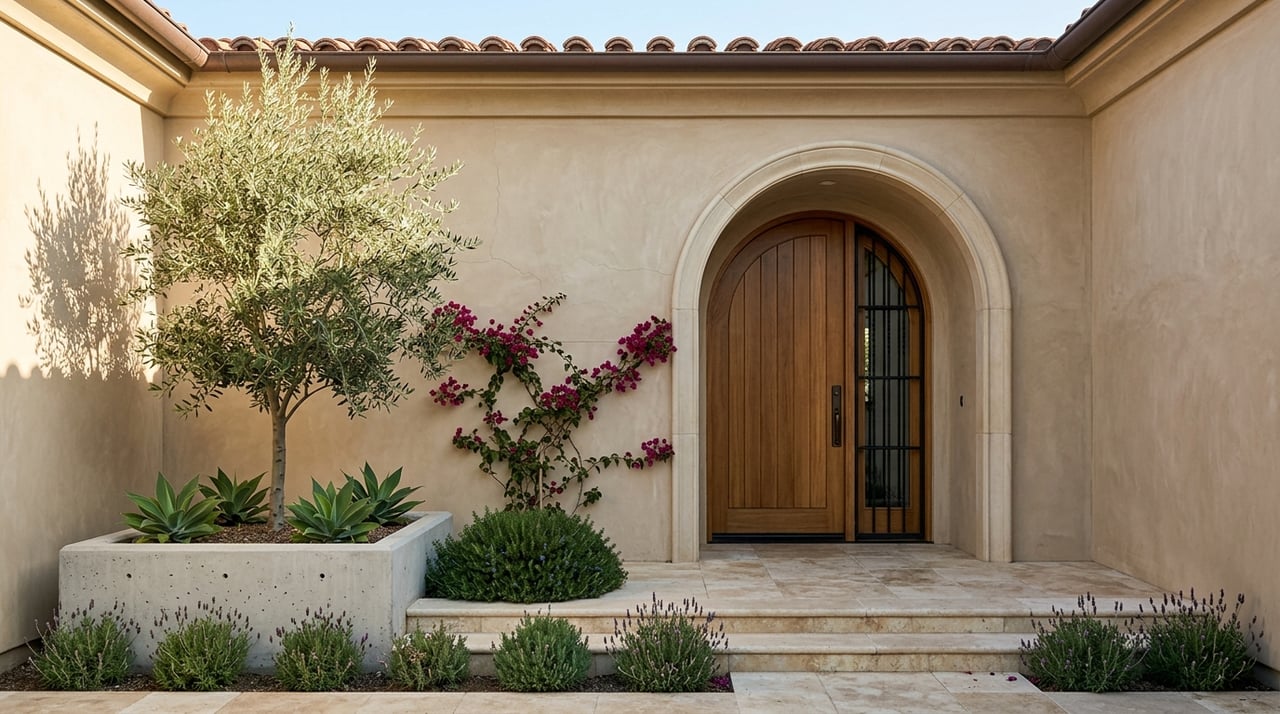
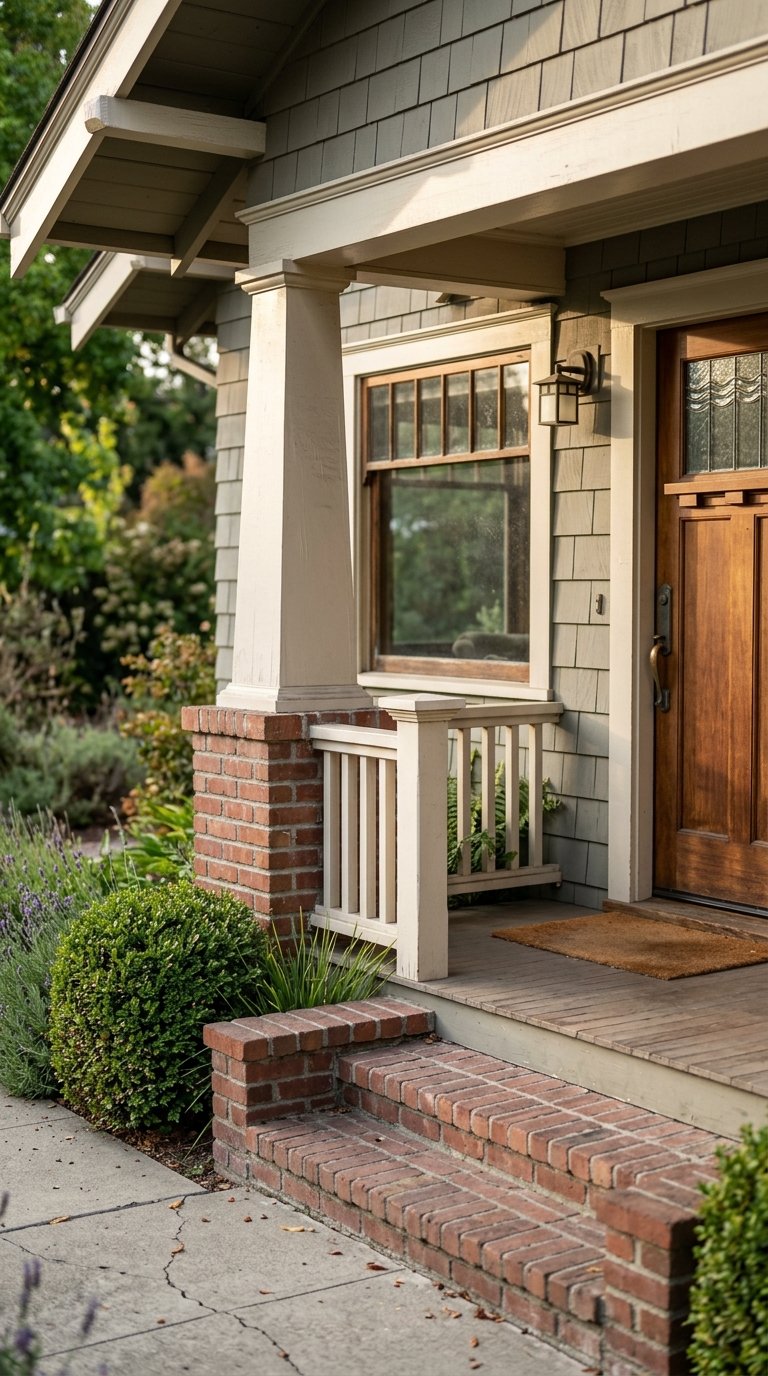
The Mission Hills Historic District was designated in 2007, with a period of significance from 1908 to 1942. That period includes early Arts and Crafts and Craftsman homes before World War I, followed by interwar revival styles, especially Spanish Colonial Revival.
You can also see a wider mix of architecture throughout the area. City records identify styles such as English Arts & Crafts, Prairie, Craftsman, Mission Revival, Spanish Eclectic, Tudor, and hybrid designs. For a buyer, that means two homes on the same street can offer very different details, construction eras, and preservation considerations.
Historic status is not one-size-fits-all
One of the most important things to understand is that Mission Hills is not a single uniform preservation zone. A home may be individually designated, located within a historic district as a contributing resource, or considered non-contributing.
That distinction matters because it can affect what changes may be reviewed later. The City also notes that some altered buildings may still be restorable or may retain enough historic integrity to convey significance.
A property that is at least 45 years old and has good architectural integrity may be individually eligible, a contributor to a potential district, or not historically significant at all. In practice, that means you should never assume a home’s status based only on its age or appearance.
Why historic status matters to your plans
If you plan to remodel, expand, or significantly alter a property, historic status can shape your path. According to City guidance, if a property is potentially historical and you want to remodel or demolish it, the City may require a historical study before issuing a permit.
For designated historic resources and historic districts, even projects that seem routine can trigger additional review. If work may adversely affect a historical resource and does not meet the Secretary of the Interior’s Standards, a site development permit for historical purposes may be required.
The City also says historic review runs concurrently with other approvals rather than as a separate step. That does not necessarily make the process impossible, but it does mean your timeline and design decisions may need more care than they would for a non-historic home.
Focus on original features before finishes
When you tour a historic Mission Hills home, it is easy to focus on kitchens, baths, and paint colors. Those details matter, but the larger story often sits in the original elements that give the home its architectural identity.
Windows, porches, entrances, exterior trim, and proportions can be especially important in older homes. Preservation guidance emphasizes repair over replacement when possible, and if replacement is necessary, the new feature should match the old in design, color, texture, and, where possible, materials.
That means original wood sash windows, porch columns, decorative trim, and entry details may carry real weight. For many buyers, these features are part of the charm. For ownership, they can also be part of the responsibility.
Renovating a historic home in Mission Hills
Historic ownership does not always mean you cannot make changes. It does mean changes should be approached with a clear understanding of what the property is, what features define it, and what standards may apply.
The Secretary of the Interior’s Standards for Rehabilitation are the main reference point used at the federal, state, and local levels for historic rehabilitation. In plain terms, the goal is to protect and maintain historic materials and character-defining features while allowing compatible updates when needed for continued use.
California’s Historical Building Code can also be helpful. It is designed to facilitate rehabilitation or a change of occupancy while preserving historic features and providing reasonable safety, energy conservation, and accessibility.
In San Diego, the City notes that contributing resources in historic districts may benefit from tools such as by-right setback deviations, conditional use permits for adaptive reuse, flexibility under the State Historical Building Code, and possible Mills Act property tax relief. Those are meaningful benefits, but they should be evaluated property by property.
Due diligence questions to ask early
Before you move forward on a historic Mission Hills purchase, ask more detailed questions than you might ask for a standard home. A beautiful exterior does not tell you the full story.
Here are some of the most useful questions to raise early in the process:
- Is the home individually designated, a contributing resource, or non-contributing?
- Has the property been through a historical survey or historical study?
- What approvals were issued for prior additions or exterior changes?
- Were porch enclosures, window replacements, or roof changes properly reviewed and permitted?
- Are there any unresolved permit issues or preservation-related conditions?
- Is there a documented history of additions and modifications?
These questions can help you understand both risk and opportunity. They can also help you avoid discovering late in escrow that a past alteration complicates your future plans.
Mills Act potential and limits
Many buyers ask whether a historic home in Mission Hills may qualify for lower property taxes through the Mills Act. It can be a valuable program, but it has specific requirements and should not be assumed.
In San Diego, local historical designation is required first. National Register or California Register listing alone is not enough.
The City accepts Mills Act applications only from January 1 through March 31. The property must be historically designated by December 31 of the prior year, and the contract begins as a 10-year agreement.
The City says tax savings vary by property and have ranged from 20% to 70% under its assessor-based formula. At the same time, homes with already low legacy taxes may see little benefit, so it is important to look at the actual numbers rather than the headline promise.
If a property is held in a trust, corporation, or partnership, additional authority-to-sign documentation is required. For buyers considering estate or trust purchases, this is one more reason to get organized early.
How to evaluate the right historic home
Not every historic home fits every buyer. Some buyers want a home that feels untouched and are happy to take on the care that comes with original features. Others want historic character with fewer restrictions or fewer unknowns.
As you compare options, think about your priorities in practical terms:
- Do you want strong original character, or are you open to a more updated home?
- Are you hoping to remodel soon, or do you want a home that already fits your needs?
- Would possible Mills Act savings matter to your budget?
- Are you comfortable with additional documentation, review, and longer planning timelines?
- Do you value architectural integrity enough to preserve details that may cost more to maintain?
The right answer is personal. What matters is buying with clear eyes and a full understanding of the property’s status, condition, and long-term fit.
Why guidance matters in Mission Hills
Buying in a historic neighborhood often involves more layers than a typical purchase. You may need to evaluate designation status, prior approvals, modification history, and the likelihood that your future plans will align with local review standards.
That is where careful guidance matters. In a neighborhood like Mission Hills, details are not just details. They can shape value, timeline, and the ownership experience from day one.
If you are considering a historic Mission Hills home and want clear, strategic guidance tailored to your goals, connect with Markus Feldmann. His boutique, high-touch approach can help you evaluate character, constraints, and opportunity with the level of care a purchase like this deserves.
FAQs
What makes a Mission Hills home historic?
- A Mission Hills home may be individually designated, located within a historic district as a contributing resource, or identified through survey work as potentially significant based on age, integrity, and architectural character.
What should you ask before buying a historic home in Mission Hills?
- You should ask about the home’s historic status, any historical survey or study, prior permits for additions or exterior changes, unresolved permit issues, and the property’s additions-and-modifications history.
Can you remodel a historic home in Mission Hills?
- Yes, but your plans may require additional review, and if work could adversely affect a historical resource or does not meet applicable standards, a historical permit process may be required.
Are original windows and porches important in a historic Mission Hills home?
- Yes, windows, porches, entrances, trim, and other exterior details are often key character-defining features, and preservation guidance generally favors repair over replacement when possible.
Can a Mission Hills historic home qualify for the Mills Act?
- Some homes can, but San Diego requires local historical designation first, applications are accepted only during a set annual window, and tax savings vary by property.
Is every older home in Mission Hills considered historic?
- No, age alone does not determine status. A property may be eligible, contributing, non-contributing, or not historically significant depending on its integrity and other factors.