If you are thinking about selling a condo in Hillcrest, timing and pricing matter more than many owners expect. This is a market where buyers notice presentation, monthly costs, and building details just as much as square footage. The good news is that with the right prep and a clear plan, you can reduce friction and put your home in a stronger position from day one. Let’s dive in.
Why Hillcrest condo sales need strategy
Hillcrest is not a generic condo market. It is one of San Diego’s most urban, amenity-rich neighborhoods, with a mix of older homes, newer apartments, condominiums, restaurants, shops, medical offices, and easy access to major services. City planning materials also emphasize the area’s connection to transit, walkability, public spaces, and LGBTQ+ heritage.
For sellers, that means buyers are often purchasing both the unit and the lifestyle around it. In Hillcrest, convenience, neighborhood identity, and low-maintenance living can carry real weight. Your pricing, marketing, and showing plan should reflect that reality.
What the Hillcrest condo market looks like
Current Hillcrest condo data points to an active but not overly heated market. Redfin shows 36 condos for sale in Hillcrest at a median listing price of $625,000, with a typical market time of 54 days and about one offer. In the broader Hillcrest market, the median sale price was $782,500 in March 2026, with homes selling in 31 days and a 98.3% sale-to-list ratio.
That tells you something important. Buyers are active, but they are not ignoring condition or overpaying without hesitation. If your condo is well presented and priced with discipline, it can stand out. If it is overpriced or underprepared, it may simply sit.
A realistic selling timeline
Most Hillcrest condo sales follow a three-part timeline: prep, market time, and closing. While every sale is different, a practical planning window is usually about two to three months from the decision to sell to the final closing. Some sales move faster, and some take longer.
Prep usually takes 1 to 2 weeks
For a well-kept condo, the early stage often takes one to two weeks. That time typically goes toward cleaning, decluttering, touch-up repairs, photography, and staging. If the condo needs cosmetic work or the building paperwork takes longer to gather, prep can stretch beyond that.
One of the most important early steps is requesting HOA documents. Under California Civil Code section 4525, sellers need to provide buyers with governing documents and current HOA information, including assessments, unpaid amounts, fines, unresolved violation notices, rental restrictions, requested board minutes, and the most recent inspection report. Under section 4530, the HOA has 10 days after a written request to provide the requested documents and may charge a reasonable fee based on actual cost.
Marketing can take 4 to 8 weeks
Once your condo is live, a realistic planning window is often four to eight weeks to secure an offer. Current Hillcrest condo data suggests about 54 days on market, although some standout properties can go pending in about 11 days. Condition, pricing, photos, and buyer confidence all affect where your home lands in that range.
This is where first impressions matter. In a somewhat competitive market, buyers do compare options carefully. A condo that looks polished and feels easy to understand often gains more traction than one that creates questions.
Closing often takes several more weeks
After you accept an offer, closing still takes time. Buyer financing, appraisal, HOA review, and disclosures can all affect the pace. The buyer must receive the Closing Disclosure at least three business days before closing, which is one of several timing points in the final stretch.
That is why it helps to think of the sale as an end-to-end process, not just the day your listing goes live. A smooth closing often starts with good preparation before the first showing ever happens.
What to do before listing
When sellers think about prep, they sometimes focus on large projects that do not move the needle much. For most condos, the highest-value work is cosmetic and operational, not structural. Buyers want a home that feels clean, current, and easy to move into.
Focus on high-impact cosmetic updates
Before listing, prioritize the updates that improve how the condo feels in person and in photos:
- Deep clean every room
- Remove excess furniture and clutter
- Repaint in neutral tones if needed
- Improve lighting and replace dim or dated bulbs
- Fix small maintenance issues that suggest neglect
- Refresh details that make the unit feel dated
In Hillcrest, a polished condo can outperform a larger one that feels tired or poorly maintained. That is especially true when buyers are already weighing dues, reserves, and overall monthly cost.
Gather HOA information early
HOA documents are not just paperwork. They shape buyer confidence. Buyers often want clarity on monthly dues, building rules, reserves, recent board activity, inspection information, and whether any special assessments are pending.
Because associations can take time to respond, request these materials early. Delays at this stage can slow a sale, create uncertainty, or push important questions into escrow when nerves are already higher.
Prepare the unit for a story-driven launch
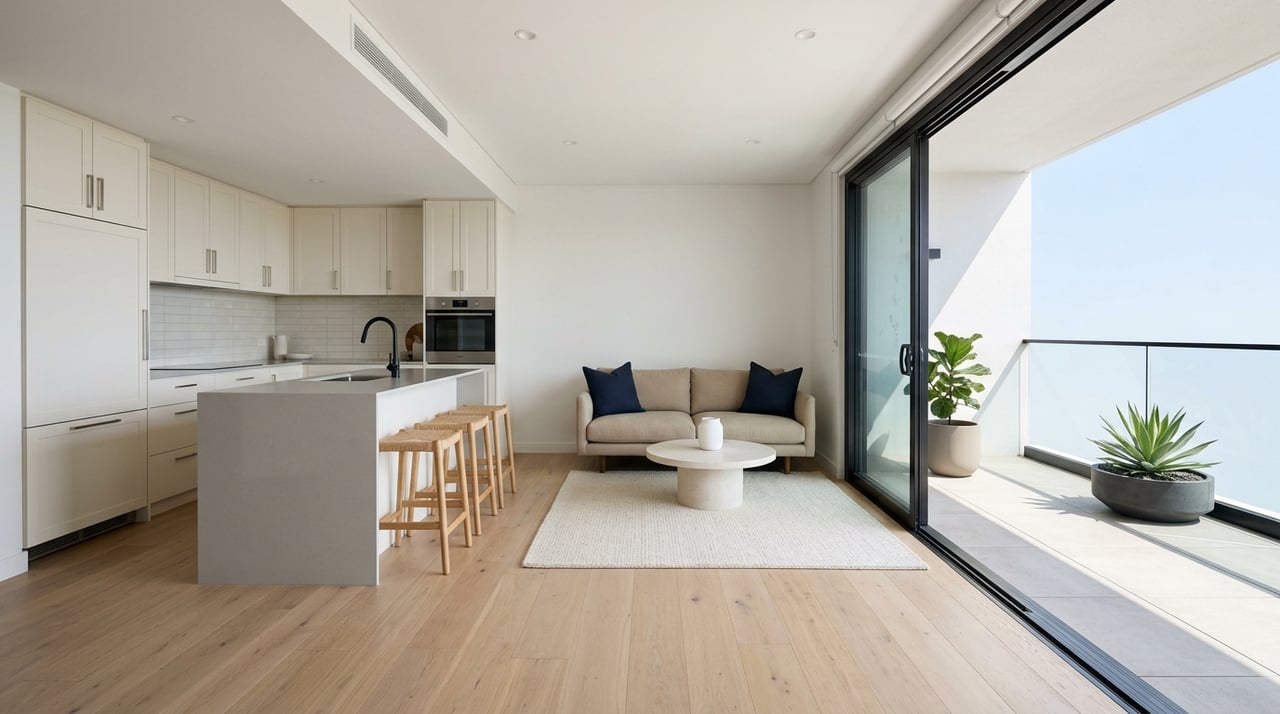
A Hillcrest condo should not be marketed like a generic apartment. Buyers are often drawn to the neighborhood’s walkability, urban access, dining, services, and proximity to places like Balboa Park, Downtown, and North Park. If your home also offers features like parking, in-unit laundry, private outdoor space, or updated kitchens and baths, those details should be highlighted clearly.
This is where premium presentation pays off. Strong photography, thoughtful staging, and listing language that frames both the home and the lifestyle can help your condo connect with the right buyer more quickly.
How to price a Hillcrest condo correctly
Pricing is one of the most important choices you will make. In Hillcrest, the right price is not based on detached-home values or broad neighborhood averages alone. It should be anchored to recent condo comparables and the full monthly ownership picture.
Start with condo comps, not house comps
Condos compete against other condos. Buyers comparing your property are usually looking at similar units, similar buildings, and similar carrying costs. Detached homes in Hillcrest may sell for very different numbers, but those sales do not necessarily help a condo buyer decide what your unit is worth.
That is why condo-specific comparables matter so much. Layout, condition, building quality, floor level, parking, outdoor space, and updates all affect value.
Factor in HOA dues and building costs
San Diego County’s median monthly HOA fee rose to $367 in 2025, and 57% of county listings had HOA dues. For condo sellers, this matters because buyers do not evaluate price in isolation. They look at the monthly payment, and dues are part of that equation.
If your dues are on the higher side, buyers may scrutinize what they receive in return. They may also pay closer attention to reserves, maintenance, and any possibility of a special assessment. A condo with strong building fundamentals and clear documentation may hold buyer confidence better than one with unanswered questions.
Avoid the overpriced start
In a market with active inventory and a typical 54-day marketing period, an aggressive opening price can cost you time without improving your final net. Sellers sometimes assume they can “test” the market and adjust later. The risk is that early buyers, who are often the most motivated, may pass if the value does not feel right.
A disciplined launch usually creates more momentum than an optimistic one. When buyers feel the home is priced in line with the market, they are more likely to engage quickly and negotiate from a place of confidence.
Hillcrest features that can support value
Not every condo has the same value drivers. In Hillcrest, buyers often place strong emphasis on both unit features and neighborhood convenience. The best pricing and marketing strategy connects those two pieces clearly.
Unit features buyers notice
Features that may support stronger pricing include:
- Assigned or secure parking
- In-unit laundry
- Private balcony or outdoor space
- Updated kitchen or bathrooms
- Move-in-ready condition
- Clear, easy access for showings
These features can support a premium, but the premium may shrink if dues are high or a special assessment is pending. Buyers tend to balance attractive finishes against long-term carrying cost.
Lifestyle features unique to Hillcrest
Hillcrest’s value story is also about location. City planning materials emphasize housing near services and transit, stronger walking and biking connections, and public spaces tied to neighborhood businesses. Redfin also gives Hillcrest a Walk Score of 87, which helps explain why location convenience is often a primary selling point.
That means your condo’s appeal may come as much from what is outside the front door as what is inside it. Walkability, urban access, and low-maintenance living are central parts of the sales story here.
Parking and access deserve attention
Parking matters in Hillcrest more than some sellers realize. The city’s Hillcrest Corridor Mobility Plan specifically called out parking, street crossings, and bus service as important neighborhood issues. If your condo includes parking, guest parking rules, controlled access, or useful showing instructions, those details are worth making easy for buyers to understand.
Simple clarity can reduce friction. It also helps buyers picture day-to-day life in the building.
Where professional guidance adds the most value
Some parts of a condo sale have an outsized effect on your result. In Hillcrest, the biggest opportunities usually come from pricing strategy, photo and staging direction, HOA document coordination, and negotiation around repairs or credits.
These are the steps that shape buyer confidence and your final net proceeds. A strong pricing plan helps attract serious interest. Better presentation improves first impressions. Careful HOA coordination helps avoid delays. Skilled negotiation can keep a deal together without giving away more than necessary.
For sellers who value precision, privacy, and polished marketing, this is where a high-touch approach can make a real difference.
If you are preparing to sell a condo in Hillcrest, the goal is not just to list. It is to launch with a clear strategy that matches the neighborhood, the building, and the expectations of today’s buyers. When prep, pricing, and presentation work together, you give yourself the best chance at a cleaner process and a stronger outcome. If you want a tailored selling plan for your unit, request a confidential valuation from Markus Feldmann.
FAQs
How long does it take to sell a condo in Hillcrest?
- A practical planning window is usually about two to three months from the decision to sell to closing, with roughly 1 to 2 weeks for prep, around 4 to 8 weeks to secure an offer, and additional time for escrow and closing.
Which condo updates are most worth doing before selling in Hillcrest?
- The highest-impact updates are usually a deep clean, decluttering, neutral paint, better lighting, and fixing small items that make the home feel dated or poorly maintained.
How do HOA dues affect a Hillcrest condo sale?
- Buyers often look at price together with monthly dues, reserves, and any possible special assessments, so higher dues or unclear building finances can affect interest and pricing power.
What makes selling a condo in Hillcrest different from selling in a suburban San Diego area?
- Hillcrest buyers often place more value on walkability, transit access, urban convenience, parking details, and neighborhood identity, so the lifestyle story plays a bigger role in marketing and pricing.
How important are HOA documents when selling a condo in California?
- HOA documents are very important because sellers must provide key association information, and buyers often review dues, rules, inspection details, board minutes, and any unresolved issues before moving forward.