If you can read a roofline, a porch, and a bit of tile, you can predict a Mission Hills floor plan with surprising accuracy. Whether you are browsing listings or walking the neighborhood, those curbside details tell you a lot about how a home lives today and how it might evolve tomorrow. In this guide, you will learn how to spot the most common Mission Hills styles, what each suggests about layout and outdoor space, and how local rules can shape remodels. Let’s dive in.
Mission Hills at a glance
Mission Hills grew as an early 20th century garden and streetcar suburb, which is why you see walkable blocks, mature trees, and a cohesive streetscape. The neighborhood’s core building boom ran from the 1910s through the 1930s, with Craftsman and Spanish Revival homes setting the tone. Later, mid-century modern houses filled in on canyon and view lots, adding variety. Parts of the neighborhood fall within local historic districts, which influence visible exterior changes and additions, as outlined by Mission Hills Heritage’s overview of historic districts.
Spot Craftsman cues
Visual signs to read
Look for low-pitched gabled roofs with wide eaves, exposed rafter tails, and generous porches supported by tapered square posts on solid piers. You will often see original wood trim, divided-light windows, and a prominent chimney. These details are a textbook read of Craftsman and California bungalow design, as summarized in This Old House’s guide to Craftsman style.
What it suggests inside
Expect a human-scaled plan with separate but connected living and dining rooms at the front. Kitchens are commonly at the rear and may be compact by today’s standards. A deep front porch functions as an outdoor room, while rear yards are modest and often link to alley or detached garages.
Renovation playbook
Common projects include modernizing kitchens and baths, restoring built-ins and hardwood floors, and opening the rear of the home to a garden or patio. If the property is in a historic district, visible changes to porches, eaves, and front elevations are reviewed under local guidelines. The Mission Hills district guidelines encourage sensitive rear additions and adherence to the Secretary of the Interior’s Standards referenced in local guidance.
Read Spanish Revival homes
Visual signs to read
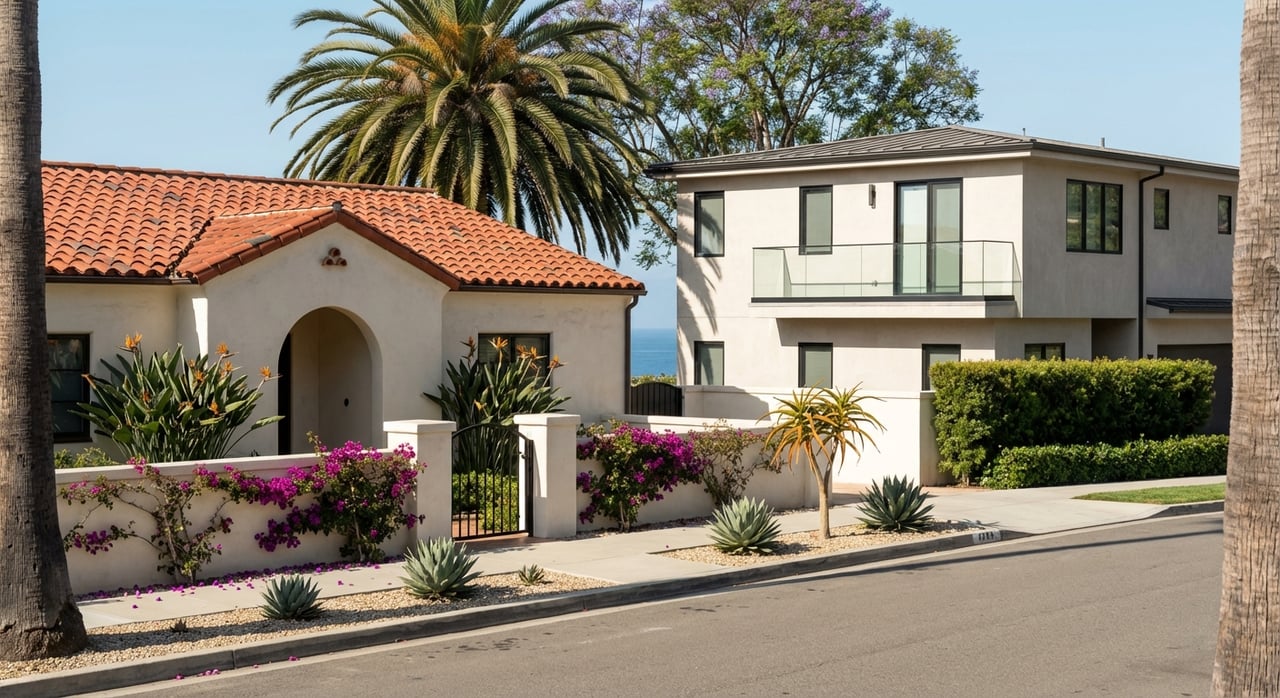
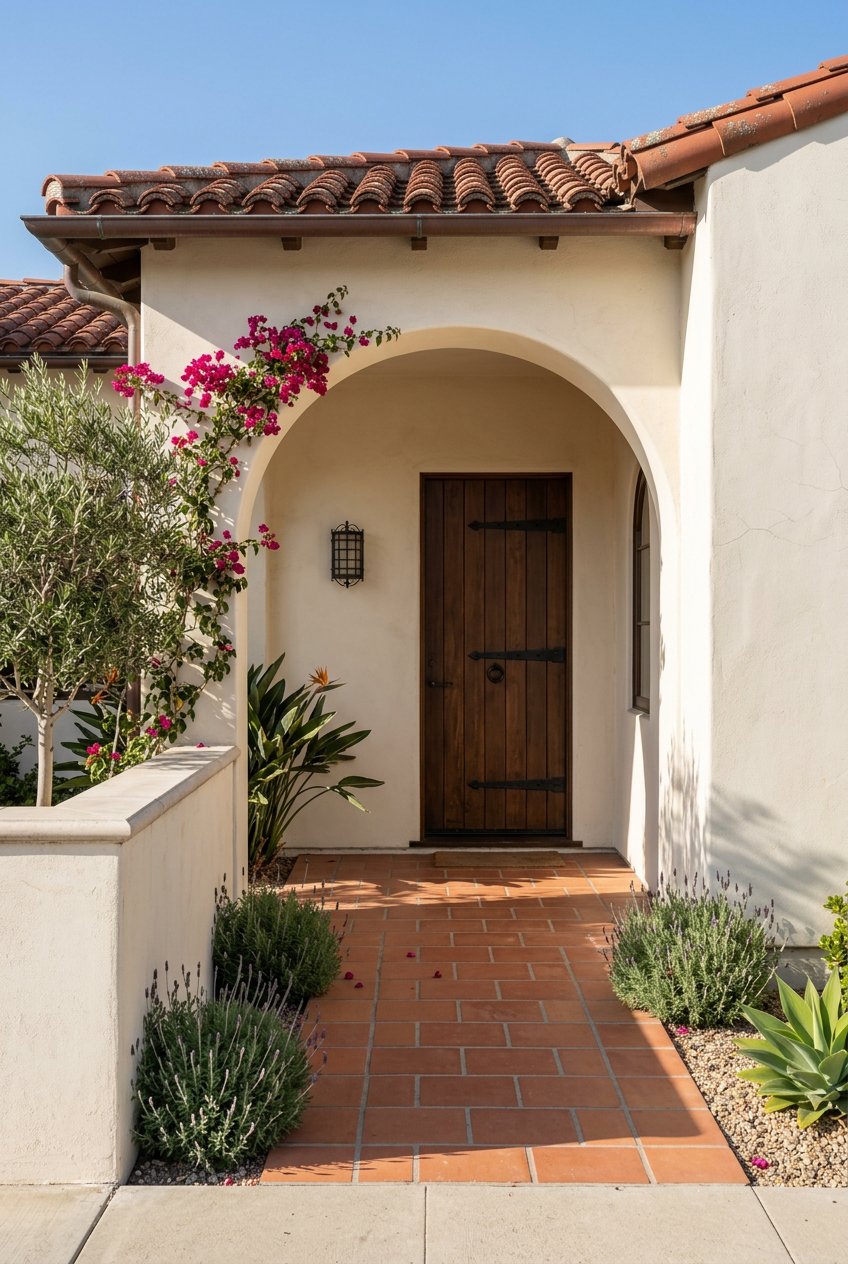
Smooth stucco walls, red clay tile roofs, arched entries and windows, and decorative tile at steps or fireplaces point to Spanish Revival, Mission Revival, or Mediterranean roots. These forms surged in popularity after the 1915 Panama–California Exposition and are summarized in the Los Angeles County style guide to Spanish Colonial Revival.
What it suggests inside
Spanish-derived homes often turn inward to courtyards, terraces, or loggias that become prized outdoor rooms. Thicker exterior walls and recessed windows help modulate light and heat, so some rooms may have smaller openings than you expect in newer builds. Courtyards and side patios typically carry high livability value.
Renovation playbook
You will see projects that open kitchens to rear patios, preserve tile and stucco, and repair clay tile roofs. Because stucco finishes, clay tiles, and arched openings are character-defining, large new window openings or visible rooftop equipment usually face careful review in historic areas. For upgrades that respect historic fabric while improving performance, review the WBDG guidance on updating building systems in older structures.
Recognize mid-century modern
Visual signs to read
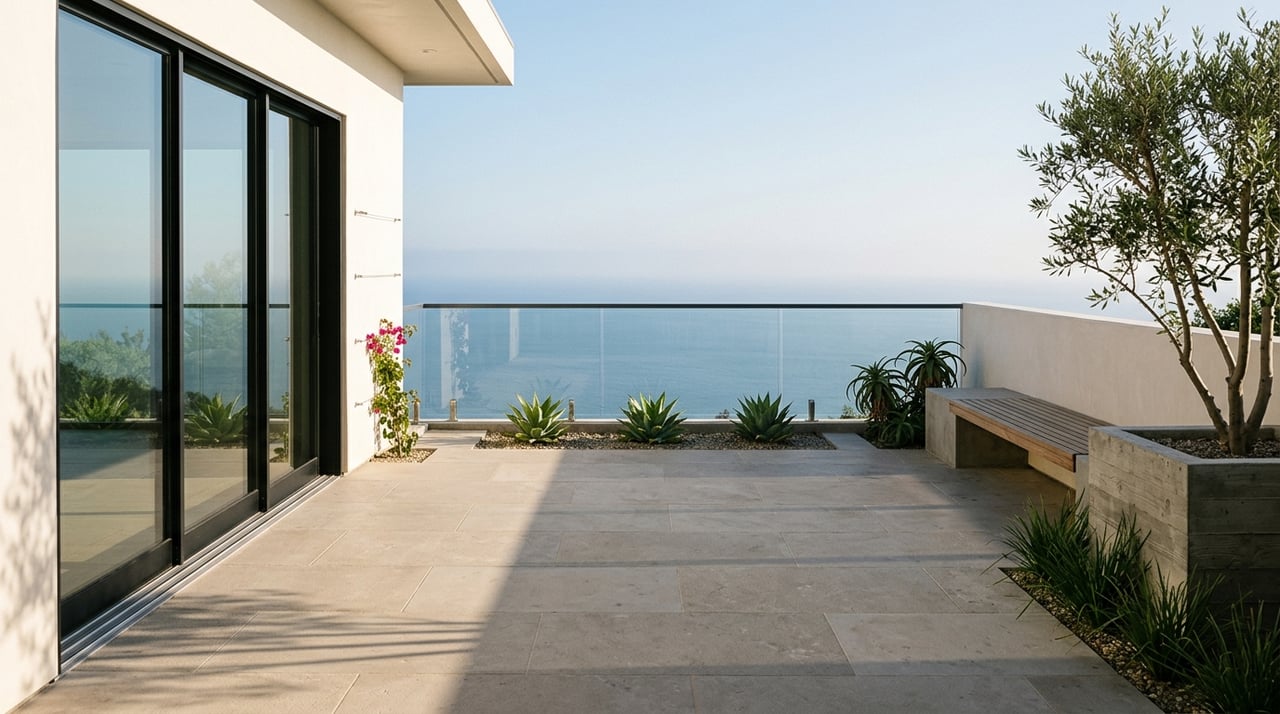
Think horizontal lines, large bands of glass, clerestory windows, and simple low or flat roofs with visible post-and-beam structure. In Mission Hills, many mid-century houses were placed on canyon or view lots to maximize outlook and light. For local context, see San Diego Magazine’s tour of classic regional architecture.
What it suggests inside
You are likely to find open living areas with strong indoor-outdoor flow to decks and terraces. Daylighting matters here, so glazing size, placement, and proportion are part of the home’s character. Structural strategies become important if you plan to expand living areas while keeping those long window walls intact.
Renovation playbook
Projects often focus on kitchen and bath updates, discreet insulation and HVAC improvements, and sensitive window replacement that matches original sightlines. Mid-century homes typically adapt well to modern systems if you preserve the rhythm of openings and the connection to outdoor spaces.
Other period styles appear too
You will also notice select Tudor, Prairie, American Foursquare, and Colonial Revival homes. Their exterior details often hint at formal room arrangements, boxed stair halls, and original built-in cabinetry inside. Spotting these styles helps you anticipate room proportions and likely service areas without seeing a floor plan.
Quick curbside reading checklist
- Craftsman: low gables, deep porch, exposed rafters, tapered posts on piers. Source: Craftsman visual guide
- Spanish or Mission: stucco walls, red tile roof, arched openings, tile details, courtyard potential. Source: Spanish Colonial Revival overview
- Mid-century: horizontal emphasis, broad glass, simple roofs, strong deck or terrace connection. Source: San Diego architecture tour
Interior and systems cues to note
Built-ins and fireplace placement
A central fireplace flanked by bookcases often signals a compact, formal living area typical of bungalows. Removing or relocating built-ins can change the home’s historic character, so plan carefully if you want a more open layout. See the Craftsman interior cues in this style explainer.
Kitchen location and flow
In early 20th century homes, the kitchen is usually at the rear and smaller in scale. Opening it to a family area or adding a rear addition is a common path that respects the street-facing facade. This is a practical way to gain function while preserving curb appeal.
Ceilings and circulation
Bungalows often have modest ceiling heights and narrower halls, which affects how open you can make the plan without structural changes. Mid-century homes may offer higher or more open volumes, which makes layout changes more straightforward.
Hidden systems to ask about
- Electrical: Older homes may still have knob-and-tube wiring or outdated panels that complicate insurance and upgrades. Learn why this matters in this knob-and-tube overview.
- Plumbing: Galvanized supply lines and cast-iron sewer laterals are typical replacement items during renovations. Review best practices for system updates in the WBDG preservation guidance.
- Roofing: Clay tile lasts a long time but is heavier and costlier to repair than composition shingle. It is also a character-defining feature on many Spanish Revival homes.
Renovation in a historic context
Know your guidelines early
If the property sits in a local historic district, visible exterior work and additions are reviewed for compatibility. Mission Hills guidance favors preserving character-defining street elevations and placing most new area at the rear or in subordinate forms. Start with the Mission Hills district design guidelines before you sketch.
Plan additions the smart way
Rear additions that step down or tuck behind the main roofline are the most common path to approval. Keep massing compatible and protect primary facades and porch structures. Early coordination with preservation staff can reduce redesign and delays.
Preserve tile, stucco, and masonry
Original fireplace tile, entry risers, and decorative accents often add both authenticity and value. Explore local examples of Batchelder and Claycraft work in this historic tile tour resource to recognize what is worth saving.
Windows and roofs matter
If you plan energy or comfort upgrades, match original proportions and profiles where possible. Repairing clay tile roofs and stucco in kind is typically preferred to replacement in historic contexts.
Permits, ADUs, and tax perks
Historic review basics
Major visible alterations, front-facing second stories, and rooftop equipment are often scrutinized inside historic districts. Expect guidance on placement, materials, and rooflines that keep the streetscape cohesive. The Mission Hills design guidelines outline the review approach and references used.
Mills Act property tax savings
If a home is a designated historic resource, you may qualify for a Mills Act agreement that can reduce property taxes in exchange for a preservation plan and maintenance obligations. Rules and deadlines can change, so verify details on the City’s Mills Act program page.
ADUs on historic lots
California and the City of San Diego encourage ADUs, and they are feasible on many Mission Hills lots. In historic districts, ADUs must also meet visibility and design standards, with rear and garage conversions often being the most straightforward. See the City’s ADU program toolkit and coordinate early if you are inside a district.
Questions to ask early
- Is the property inside a designated historic district, and what guidelines apply to visible work?
- When were the electrical panel, sewer lateral, roof, and HVAC last updated, and are permits on file?
- Are there any unpermitted additions or alterations that could affect resale or approvals?
Bottom line
Mission Hills rewards anyone who reads architecture from the curb. If you learn to spot Craftsman, Spanish Revival, and mid-century cues, you can predict interior layout, outdoor space potential, and the smartest path for upgrades, all while aligning with local preservation guidelines.
Ready to translate style into strategy for your next move or renovation plan? For curated buyer representation, discreet access to opportunities, or a valuation-driven selling plan, connect with Markus Feldmann for clear next steps.
FAQs
What a Craftsman porch means in Mission Hills
- A deep, covered porch usually signals front-oriented living and dining rooms, a rear kitchen, and built-ins that define the main living space, per Craftsman style cues.
How historic-district rules affect kitchen remodels
- Interior work is often flexible, but visible changes to front facades and rooflines are reviewed; rear additions and street-facing preservation align with Mission Hills design guidelines.
Whether ADUs are feasible on Mission Hills historic properties
- Yes, ADUs are broadly allowed in San Diego, but in historic districts they must meet additional design and visibility standards; see the City’s ADU program toolkit.
What the Mills Act means for Mission Hills homeowners
- If a property is a designated historic resource, a Mills Act contract may lower property taxes in exchange for a maintenance and preservation plan; confirm current rules on the City’s Mills Act page.
What systems to inspect in older Mission Hills homes
- Ask about electrical wiring and panel age, plumbing supply and sewer lines, and roof condition; older components like knob-and-tube wiring are common due diligence items, per this safety overview.